
5 Simple ways to check the condition of your home electrics

5 Simple ways to check the condition of your home electrics

All electrical installations, over time, deteriorate naturally as they are a working mechanism made up of various components and working systems. Just as you would have your car serviced every year you need to check the condition of the electrics in your home. There are around 20,000 house fires every year in the UK which are caused by faulty electrics.

There are two types of inspection you can do to check your electrics. The first is a visual inspection and the second is an Electrical Installation Condition Report (EICR).

Visual Inspection

Here are 5 simple checks that you can do yourself without the need for calling an electrician unless of course you do come across a serious problem or fault.

1. Ensure plug sockets are not damaged or scorched. Any scorch marks around a socket are an indication that something is not right with the wiring behind the walls and that you should call a registered electrician to investigate further.

2. Check that leads or cables are not damaged or frayed.

3. Check that lights are working correctly and there are no signs of visible damage or buzzing sounds.

4. Check that sockets are not overloaded or that too many extension leads are in use.

5. Check that the main fuse box (consumer unit) has RCD protection fitted. An RCD (Residual Current Device) will trip should it detect an overload in the circuit.

Other warning signs to look out for include:-

  • frequent power tripping
  • old looking cabling
  • old looking distribution board

If you have an older distribution board i.e. more than 10 years old like the one pictured above, we recommend replacing it to avoid any issues or challenges in the future. If you have any concerns about your electrics, then always get an electrician to check and repair them for you.

New smoke and fire alarm regulations 2022

New smoke and fire alarm regulations 2022

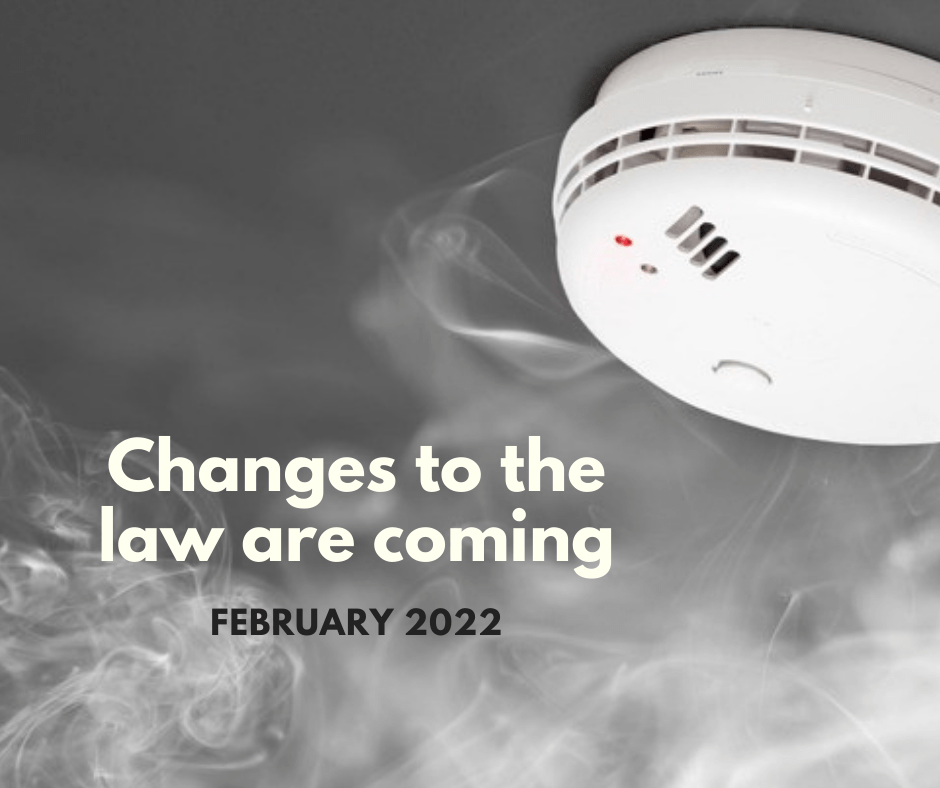
Following the tragic fire at Grenfell Tower in London, the Scottish Government reviewed Scotland’s building and fire safety regulatory frameworks. The result is that new legislation is being brought in covering all homeowners and landlords from February 2022. 

These new regulations were due to come into effect from February 2021, however given the impact COVID-19 has had on many households across the country, this has been postponed by the Scottish Government.

What does the new legislation mean?

It will be the property owner’s responsibility to meet the following new standard:

  • one smoke alarm installed in the room most frequently used for general daytime living purposes
  • one smoke alarm in every circulation space on each storey, such as hallways and landings
  • one heat alarm installed in every kitchen

Another feature of the legislation is that all alarms should be ceiling mounted and interlinked. Where there is a carbon-fuelled appliance such as boilers, fires, including open fires and heaters or a flue, a carbon monoxide detector is also required which does not need to be linked to the fire alarms.  Even if you have existing fire alarms in your home they will need to be interlinked in order to meet the new legislation. 

For further information or to discuss a price for having interlinked fire alarms and/ or a carbon monoxide detector for your home email us at info@rdm-electrical.com or call 01355 274 340.

More information and common questions can be found on the Scottish Government website: Fire and smoke alarms: changes to the law – gov.scot (www.gov.scot)

The Do’s and Don’ts with your lights this Christmas

The Do’s and Don’ts with your lights this Christmas

It may only feel like yesterday since you packed away the Christmas decorations and lights, but did you know that a year is quite a long time for your Christmas lights (especially outdoor lights) to easily become electrically unsafe without you knowing it?

Don’t let dodgy lights ruin your Christmas! To ensure you and your family enjoy a safe holiday season this year, we have compiled a list of simple Do’s and Don’ts when it comes to checking your Christmas lights:

Do:

  • check your Christmas lights are not damaged or broken before use and always look out for loose wires.
  • Always read and follow the manufacturer’s instructions.
  • ensure all outdoor lights are connected via a 30mA RCD protected socket – This is vital for protection against dangerous faults!
  • ensure any plugs and transformers are plugged in indoors, even if the lighting is suitable for outdoor use.
  • use only replacement bulbs of the same type and rating as those originally supplied with the lights.
  • replace failed lamps immediately to prevent overheating.
  • keep lights away from flammable decorations and materials that can burn easily.
  • switch your lights off and unplug them before you go to bed or go out.

Don’t:

  • use lights outdoors unless they are specially designed for such outdoor use.
  • overload sockets – try to avoid the use of extension leads or adaptors
  • use lights that are damaged or faulty
  • connect different lighting sets together.
  • connect lights to the supply whilst still in the packaging.
  • remove or insert lamps while the chain is connected to the supply
  • attempt to repair faulty lights – replace them

We would also strongly recommend that you use LED lights where possible instead of traditional Christmas filament lighting. These are because:

  • They can significantly reduce the risk of electric shock as they operate at extra-low voltage.
  • They are therefore much safer to use – They use much less power, generating little heat and so reducing the risk of fire and burns.
  • They are estimated to use 80-90% less electricity than filament lamps so they are less expensive to run and typically last up to 60 times longer.
  • They are much more durable. LED lights are made of a special plastic with no filament, therefore there are no glass lamps to break.

They are a great deal more efficient to run and good at saving energy so are more environmentally friendly.

Dental Surgeries

We have decided it’s about time we showcase some of the exciting projects we have been working so hard on over the past year (our 1st year) in business!

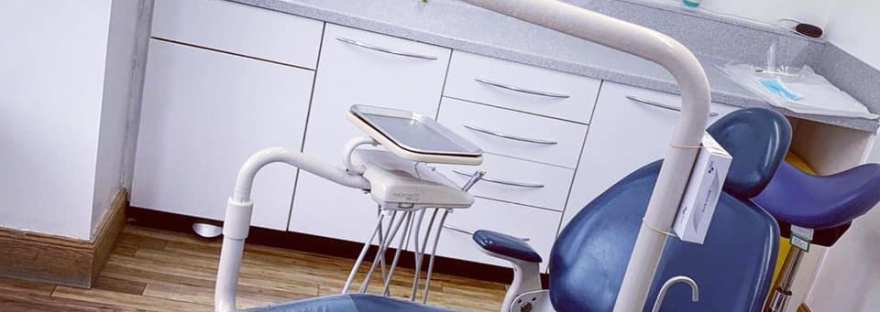
First up, let’s talk all things dental. We are delighted to say that we work regularly in both private and NHS Dental surgeries across Glasgow and the wider Central Belt of Scotland. These jobs can range anything from:

  • Full surgery refurbishments
  • X-Ray machine installations
  • Specialist equipment and dental chair installations
  • Dado & sockets
  • Computer, TV and data points
  • New distribution boards
  • Testing, Inspection & Certification of premises

All work is NICEIC accredited therefore comes with a 6-year warranty and is fully complaint with the latest 18th Edition electrical standard regulations.

Our team of engineers have a plethora experience working in dental surgeries – whether these are old city centre, tenement-style buildings or brand new surgeries, we can offer an abundance of knowledge & friendly advice, no matter what your electrical requirements may be.